Paperback, 196 pages
English language
Published Sept. 1, 2003 by Bison Books.
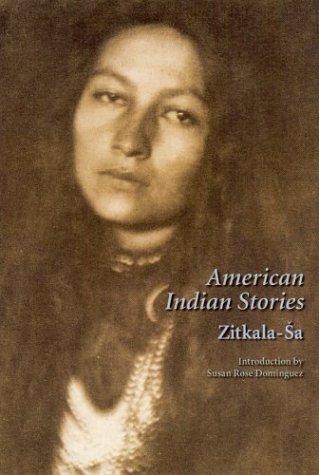
Paperback, 196 pages
English language
Published Sept. 1, 2003 by Bison Books.
In these essays, stories, and reflections, trailblazing Yankton Dakota writer and artist Zitkála-Šá honors the rich heritage of Sioux oral tradition. She muses on her childhood and early schooling, shares warrior tales of ancient spirits, and tells of the foreboding appearance of white settlers and missionaries. As a committed activist and a seminal voice for change, Zitkála-Šá also explores the oppressive forces that sought to erase her culture and remove her people from their land. American Indian Stories feels remarkably contemporary. Zitkála-Šá moves easily across genres and styles to offer a sometimes mournful, sometimes joyful account of a life that deserves to be much better known today.
Zitkála-Šá (1876–1938) was a writer, editor, translator, musician, educator, suffragist, and one of the most important American Indian activists of the twentieth century.
Born Gertrude Simmons on the Yankton Sioux Reservation in South Dakota, she adopted the name Zitkála-Šá (Lakota for …
In these essays, stories, and reflections, trailblazing Yankton Dakota writer and artist Zitkála-Šá honors the rich heritage of Sioux oral tradition. She muses on her childhood and early schooling, shares warrior tales of ancient spirits, and tells of the foreboding appearance of white settlers and missionaries. As a committed activist and a seminal voice for change, Zitkála-Šá also explores the oppressive forces that sought to erase her culture and remove her people from their land. American Indian Stories feels remarkably contemporary. Zitkála-Šá moves easily across genres and styles to offer a sometimes mournful, sometimes joyful account of a life that deserves to be much better known today.
Zitkála-Šá (1876–1938) was a writer, editor, translator, musician, educator, suffragist, and one of the most important American Indian activists of the twentieth century.
Born Gertrude Simmons on the Yankton Sioux Reservation in South Dakota, she adopted the name Zitkála-Šá (Lakota for Red Bird) in her early teens. Educated at Quaker schools, Zitkála-Šá strove to retain her cultural identity and to enlighten white English-speaking audiences about American Indian life. In addition to writing numerous articles for the Atlantic Monthly and Harper’s Monthly, Zitkála-Šá published Old Indian Legends and American Indian Stories and wrote the libretto for The Sun Dance Opera, the first ever by an American Indian. In 1926 she cofounded the National Council of American Indians, which advocated for the civil rights that American Indians had long been denied. Zitkála-Šá served as its president until her death.